Coral Reefs Create Clouds
To Control The Climate
by Alison George


Many of the world's coral reefs permanently lost

WASHINGTON (CNN) -- The world has lost an estimated 27 percent of its coral reefs, an international environmental monitoring organization said Monday.

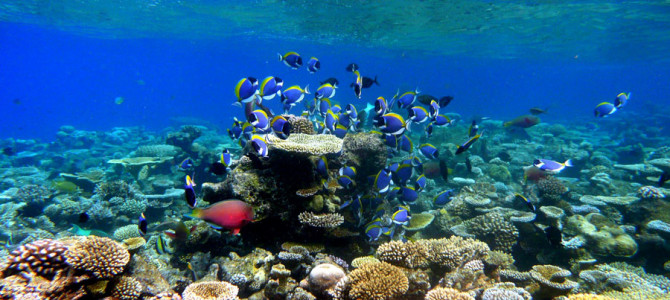
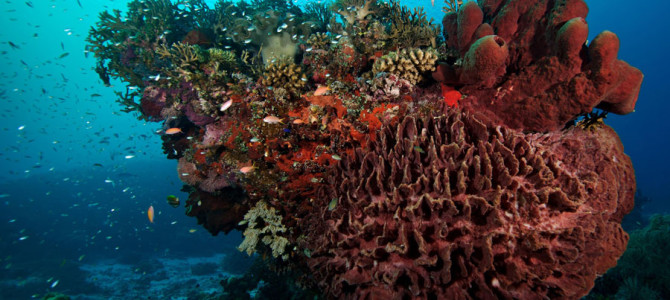
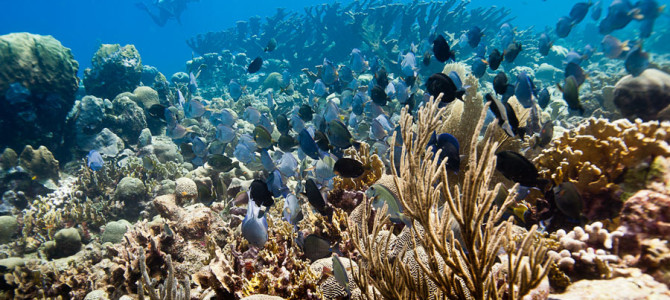
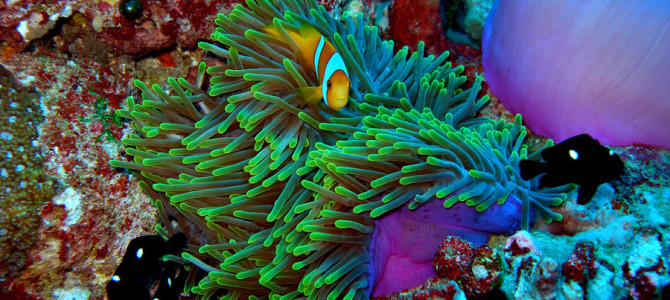
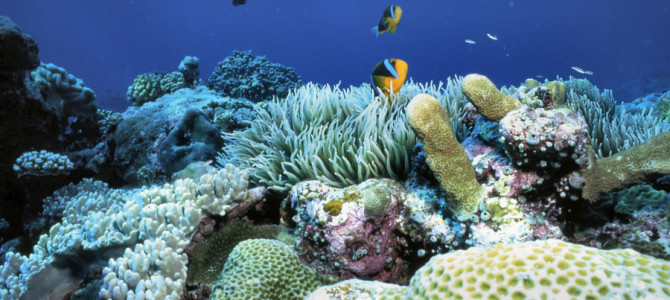
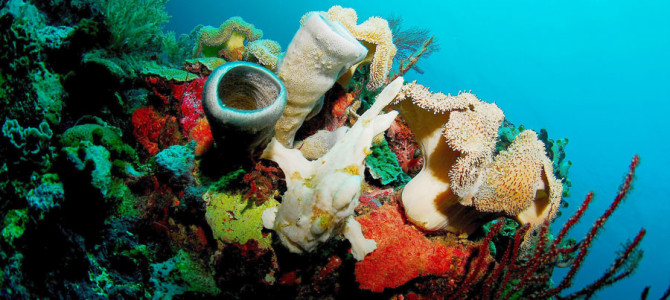
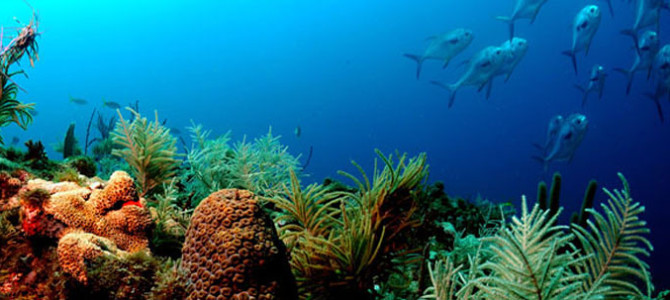
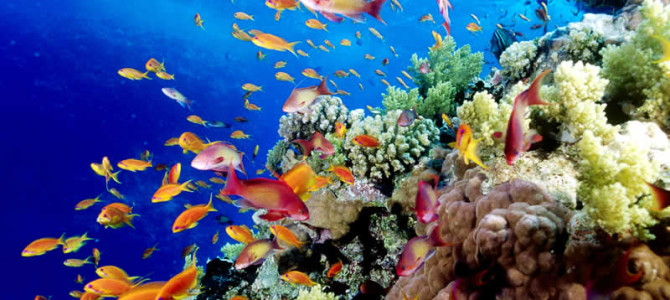
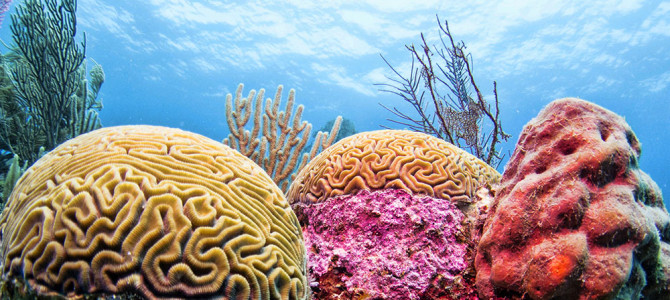
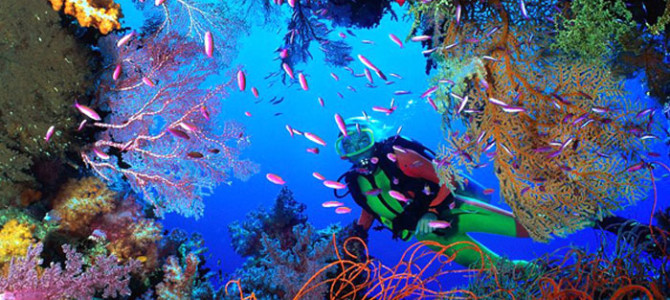
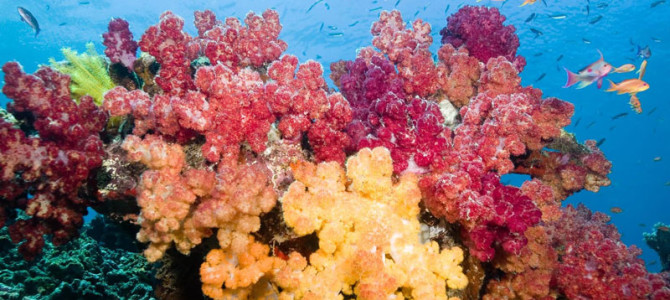
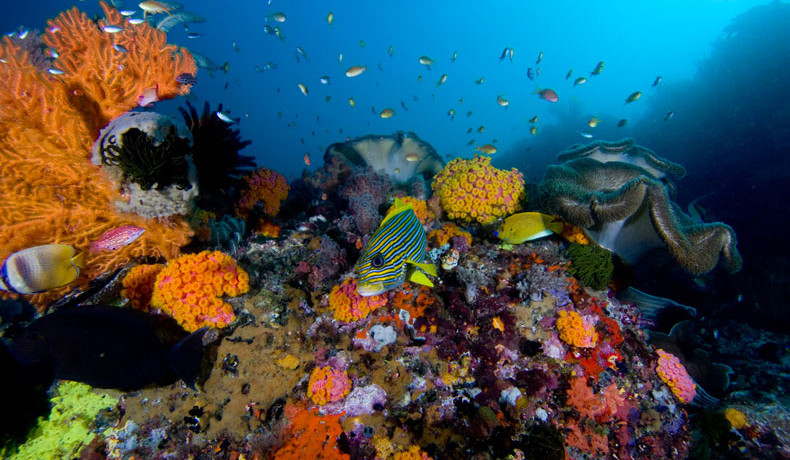
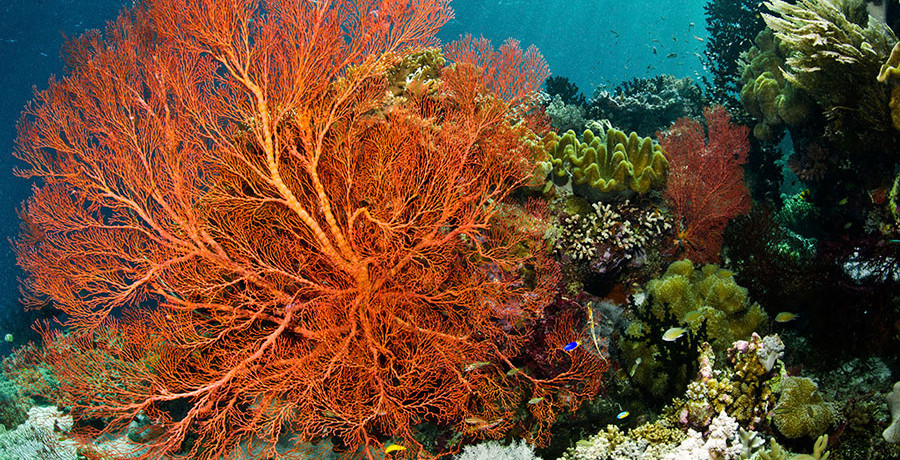
Coral reefs, often compared to rainforests, are among the ocean's most diverse ecosystems

The Global Coral Reef Monitoring Network said in its report, titled "Status of Coral Reefs of the World: 2000," that some of those reefs are gone for good while others could possibly recover.

The network gathered data from scientists around the globe to compile the report.

The biggest coral catastrophe to date was a widespread coral bleaching epidemic that occurred in 1998. Scientists blame that on the largest El Niño and La Niña climate changes ever recorded. According to the research, about 16 percent of the world's reefs were destroyed in nine months and about half of those ruined reefs are likely to be gone forever.

While global warming appears to be the biggest threat facing coral reefs, there are other potential hazards, the report said. Those include water pollution, sediment from coastal development, destructive fishing techniques including the use of dynamite and cyanide and sand mining.

The study said the most damaged reefs were found in the Persian Gulf, Indian Ocean, Southeast and East Asia, and the Caribbean/Atlantic. The world's healthiest reefs are found in the Pacific and off Australia.

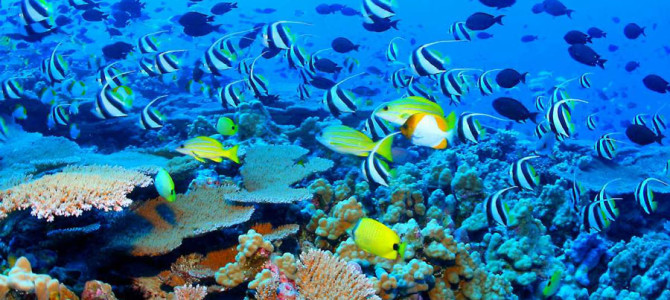
Coral reefs have been characterized as the marine equivalent of rainforests because they are vibrant centers of sea life that harbor a myriad of species.

The report said that if nothing is done to change current trends, 60 percent of the world's reefs could be lost by 2030.

Sponsors of the Global Coral Reef Monitoring Network include the United Nations and the World Meteorological Organization.


Scientists say Great Barrier Reef choking to death

(Reuters) -- Australia's Great Barrier Reef risks choking to death on fertilizer-soaked silt thanks to the clearance of wetlands and rainforests along the neighboring Queensland coast, scientists said on Wednesday.

Queensland and Australia's Great Barrier Reef as recorded by the SeaWiFS sensor on the OrbView-2 satellite on August 26, 2000


The Australian Institute of Marine Science said
research from 30 scientists around the world showed the World Heritage listed reef needed urgent help to survive the impact of farming and other human activities.

"Without fresh thinking and fundamental attitudinal and management changes, the Great Barrier Reef will not survive as we enjoy it today... it will be slowly and continuously degraded both biologically and aesthetically," Frank Talbot of Macquarie University concluded in a report published by the institute.

It said much of the wetlands and rainforests along the tropical Queensland coast had been cleared for sugar cane farming, releasing a stream of fertilizer-loaded sediment.

"The sediment run-off is choking the reef; satellite photography shows huge, muddy planes reaching the mid-reefs," the institute's senior research scientist, Eric Wolanski, told Reuters.

Sediment was one of the biggest threats to corals and many of those buried in silt were likely to die, he said.

"Terrestrial runoff may have serious indirect and long-term impacts when acting in combination with storms, coral bleaching or crown of thorns starfish outbreaks," the report said.

The report looks at the impact of coastal towns, fishing and farming on the reef, the world's biggest coral structure.

Wolanski said further damage had been done to marine life and fisheries by the stripping of seagrass beds from Queensland's coastline.

The report said dugong populations had declined by 50 to 80 percent in the last 10 years, and loggerhead turtle breeding had collapsed by up to 80 percent in eastern Australia since the 1970s.

"Activities and decisions in the past decade show disturbing patterns in the way the Great Barrier Reef is being managed and there are serious problems which may affect its long term health," the report said.

"Many basic values of the Great Barrier Reef have been chipped away... (from) decisions that support development, tourism and fishing at the expense of the long term protection of the reef."

Source: CNN News April 18, 2001

Copyright 2001 Reuters. All rights reserved. This material may not be published, broadcast, rewritten, or redistributed.


RELRelated Stories:
Green bid to preserve Pacific reef
April 15, 2001
One Briton dead after yacht hits Australian reef
April 2, 2001
Report: Many of the world's coral reefs permanently lost
December 11, 2000
Clinton to put Hawaiian reefs under federal protection
December 4, 2000
Infrared satellite photos help track coral reef health
October 25, 2000
NOAA delivers early warning of coral bleaching
October 5, 2000
Coral reef species forced to go with the flow
August 18, 2000

RELATED SITES:
Australian Institute of Marine Science

Note: Pages will open in a new browser window
External sites are not endorsed by CNN Interactive.


In The News

Cousteau Society
Feature Article

Coral Reefs Map

Coral Reef Findings

Coral Reefs Links


Coral Reef News


Contact Info

LOVEARTH® Network

5683 Midnight Pass Road
Suite 106
Siesta Key Florida 34242

Phone Toll Free:
1 877 LOVEARTH =
1 877 568.3278
Outside The United States:
1 941 349.9426

Fax Toll Free:
1 877 WEB OF LIFE =
1 877 932.6354
Outside The United States:
1 941 349.0295

eMail:
AUnityOfOnePercent